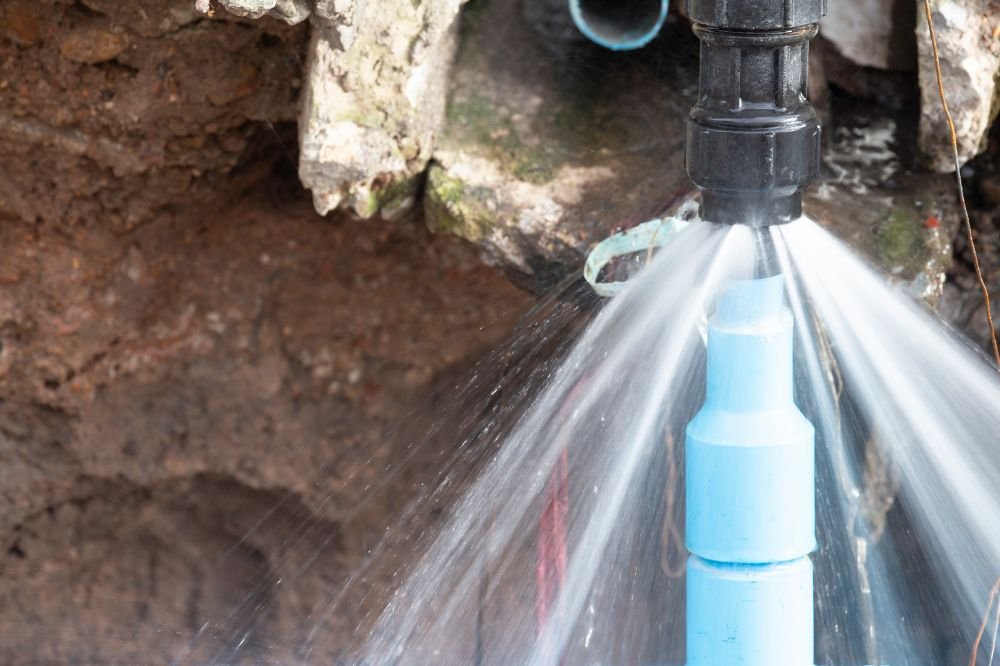
A burst pipe rarely announces itself. Often it’s the sound of water running inside a wall, a bulging ceiling, or a soaked basement carpet on a cold morning.
The structure gets most of the attention. But furniture, rugs, clothes, and keepsakes are sitting in that water too, and the first few hours decide how much of it can be saved.
Here’s a step-by-step plan for protecting your belongings after a pipe bursts.
First, Stop the Water and Stay Safe
Shut Off the Main Valve
Find your main shut-off valve and close it. Denver Water says that in most single-family homes, the valve is in the basement or crawl space, on a wall facing the street.
If you can’t find it or it won’t turn, call a plumber right away. Every minute of flow puts more water on your floors and belongings.
Watch for Electrical Hazards
Water and electricity are a dangerous mix. Ready.gov warns not to touch electrical equipment if it’s wet or if you’re standing in water.
If water is near outlets, cords, or your electrical panel, stay out of that area. Turn off power at the breaker only if you can reach it safely.
That includes the household vacuum. It isn’t built for water, and running one on a wet floor means handling electrical equipment where it’s wet.
Protect Your Belongings in the First Few Hours
Once the water is off and the area is safe, work through the rooms in this order.
Lift Furniture Off Wet Floors
Raise wood and upholstered pieces onto blocks, plastic containers or squares of aluminum foil. This keeps legs and fabric from soaking up more water.
If a piece already looks swollen or stained, these signs that wet furniture can still be saved will help you decide what to protect first.
Pull Up Area Rugs
An area rug sitting on wet carpet holds water against both layers. Roll it up and move it to a dry room, laid flat if you can.
Move Electronics, Papers and Photos
Unplug electronics only if the outlet and the floor around it are dry. Then carry them out of the wet area.
Don’t switch anything on to test it. This guide on what to unplug first when electronics get wet explains why.
Move books, papers, and photos to a dry room. Lay damp items flat, and don’t try to pull stuck pages or photos apart.
Open Closets and Drawers
Closets and dressers trap humid air. Open doors and drawers in affected rooms so air can move through.
Take wet clothing and linens out and hang them to dry. If the water was dirty, set them aside for professional cleaning instead.
Photograph Before You Haul Anything Out
Before anything leaves the house, photograph the water, the damaged items, and the pipe that failed. Take wide shots first, then close-ups.
Keep damaged items rather than tossing them, so your adjuster can see them. These tips for keeping a water damage claim moving cover what comes next.
Why the Clock Matters
Water from a supply line starts out relatively clean. But the IICRC S500 standard notes that clean water can deteriorate to Category 2 or 3 after contact with building materials and contents.
Mold is the other deadline. The EPA recommends drying water-damaged areas and items within 24 to 48 hours to prevent mold growth.
That window is why a water damage pack-out moves quickly. Getting belongings out lets floors and walls dry while the contents are cleaned somewhere else, which is exactly what our contents pack-out services are built for.
Denver Winters and Frozen Pipes
Frozen pipes are a familiar winter problem in the Denver metro. According to Denver Water, pipes along exterior walls, in unheated basements and in attached garages are the most exposed.
A few habits lower the risk:
- Open cabinet doors under sinks so household air can warm the pipes.
- On the coldest nights, let a very slow drip run from the faucet farthest from where water enters the house.
- If you’ll be away for several days, keep the thermostat set above 65 degrees.
- Learn where your main shut-off valve is before you ever need it.
Insurance is the other reason to stay ahead of it. According to the NAIC, homeowners policies cover sudden and accidental discharge from plumbing.
But if the insurer finds the freeze came from neglect, the damage may not be covered.
When to Call for Help
Some leaks are a towel-and-fan job. Others aren’t. Call for professional help if:
- Water spread beyond one room or soaked into carpet pad
- A ceiling is sagging or dripping
- The water touched sewage, soil, or anything dirty
- Furniture, boxes, or clothing sat in water for hours
- You can’t get things dry within a day or two
Final Thoughts
Shut off the water, stay clear of electricity, lift what you can, and photograph everything. Those first hours make the biggest difference to what survives.
If a frozen pipe has soaked your belongings, ContentsPros Denver offers 24/7 water damage pack-out across the Denver metro, drying and restoring contents before mold sets in. Call (303) 335-0125 or request help online.