When a fire or flood hits a rental, the building belongs to the landlord. Everything you brought into it belongs to you.
That split shapes the whole recovery, from whose insurance pays to who protects your things while the unit is repaired. Here is how a pack-out works when you rent.
What a pack-out means when you rent
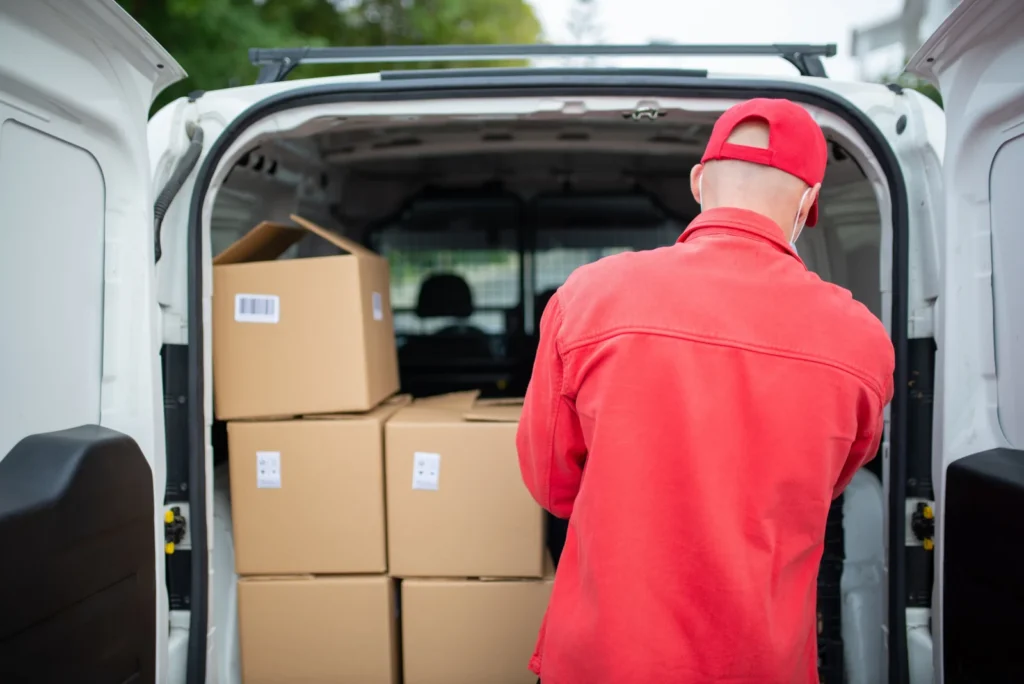
A pack-out moves belongings out of a damaged home so they can be cleaned, stored and brought back. During a professional contents pack-out, each item is photographed and logged before it leaves.
Renters often don’t control the timing. Repairs can’t start until the unit is empty, so the landlord or their contractor may push to clear it fast.
Your belongings are still your responsibility, even when the fire or leak started somewhere else in the building. That includes deciding who packs them and where they go.
Your belongings versus the landlord’s building
What the landlord’s insurance covers
A landlord’s property policy covers the structure, like walls, floors, cabinets and built-in appliances. It generally won’t pay for a tenant’s furniture, clothes or electronics.
Furnished units work a little differently. Furniture the landlord supplied is theirs to claim, so point out which pieces are yours before packing starts.
What renters insurance covers
The Colorado Division of Insurance explains that renters insurance protects your personal property from fire and other covered perils. It also pays living expenses if the rental becomes unlivable.
Pack-out, cleaning and storage of your things usually fall under the personal property side of the claim. Limits and deductibles vary, so check with your adjuster before anything moves.
This overview of how insurance handles contents claims covers the basics. If you’re displaced, save every receipt for hotels, meals and laundry.
If you don’t have renters insurance
Without a policy, moving, cleaning and storing your belongings is usually your own cost. Ask the landlord in writing whether their claim covers anything in your unit.
If the damage started in a neighbor’s unit, ask the landlord or a lawyer whether that tenant’s insurance might respond.
Your rights if the unit is unlivable
Colorado landlords must keep rentals fit to live in. A summary of renters’ rights from the Colorado General Assembly explains a tenant’s options when that warranty is broken.
Those options can include ending the lease with written notice. For conditions that threaten health or safety, the landlord may owe a comparable unit or hotel room during repairs.
The rules have conditions and exceptions, so read the summary or talk to a tenant attorney before acting on them.
The first 48 hours after the loss
- Go back in only after the fire department or landlord says it’s safe
- Call your renters insurance company and write down the claim number
- Tell the landlord in writing, by email or text, and keep a copy
- Photograph every room, closet and cabinet before anything moves
- Take medications, IDs, laptops, chargers and a week of clothes with you
- Ask who is handling the pack-out, and get a copy of the inventory
Speed matters most with water. The EPA’s guide to mold and moisture says water-damaged areas and items should be dried within 24 to 48 hours to prevent mold growth.
That’s why water pack-outs often begin as soon as the unit is safe to enter. Wet electronics are a special case, so check what can be saved and what to unplug first.
In an apartment building, smoke can reach units the flames never touched. Fire pack-outs get belongings away from soot so cleaning can start.
This step-by-step look at what happens to belongings after a fire walks through the rest of the process.
Who should handle the pack-out
When the landlord’s contractor offers
The landlord’s restoration company may offer to move your things. That can work, but ask who they report to and who is paying to clean and store your belongings.
Choosing your own company
Under Colorado law, an insurer can’t require you to use a particular repair business on a property claim. Tell your adjuster which company you’ve picked so the claim stays on track.
It also helps to know the differences between a pack-out company and a moving company before you call around.
Get the inventory either way
Each item should be photographed and logged by room. That record backs up a contents inventory adjusters will accept and lets you track every item during repairs.
Storage, timelines and moving back
Repairs on a rental can take weeks or months. Typical ranges are in this guide to how long a pack-out really takes.
While you wait, belongings should sit in climate-controlled contents storage that controls humidity as well as temperature. Salvageable items go through contents cleaning first.
A few common myths about storing belongings during a rebuild catch renters out, especially around cost and insurance.
Some renters don’t move back at all. If you end the lease, ask whether delivery and pack-back can go to your new address instead.
Not every item will be worth saving. This guide to what can and cannot be restored helps set expectations before the final inventory comes back.
Mistakes renters make after a fire or flood
- Assuming the landlord’s insurance covers their belongings
- Letting items be moved without getting a copy of the inventory
- Throwing out damaged things before they’re photographed
- Signing a vendor agreement without telling the adjuster
- Losing hotel, meal and laundry receipts
Getting your things back
Renting doesn’t change what your belongings need after a loss. They still have to be documented, cleaned, stored and returned to wherever you land next.
ContentsPros Denver handles pack-out, cleaning, climate-controlled storage and pack-back for renters and homeowners across the Denver metro after fire, water and mold losses. Call (303) 335-0125 any time or contact the team online to plan your pack-out.