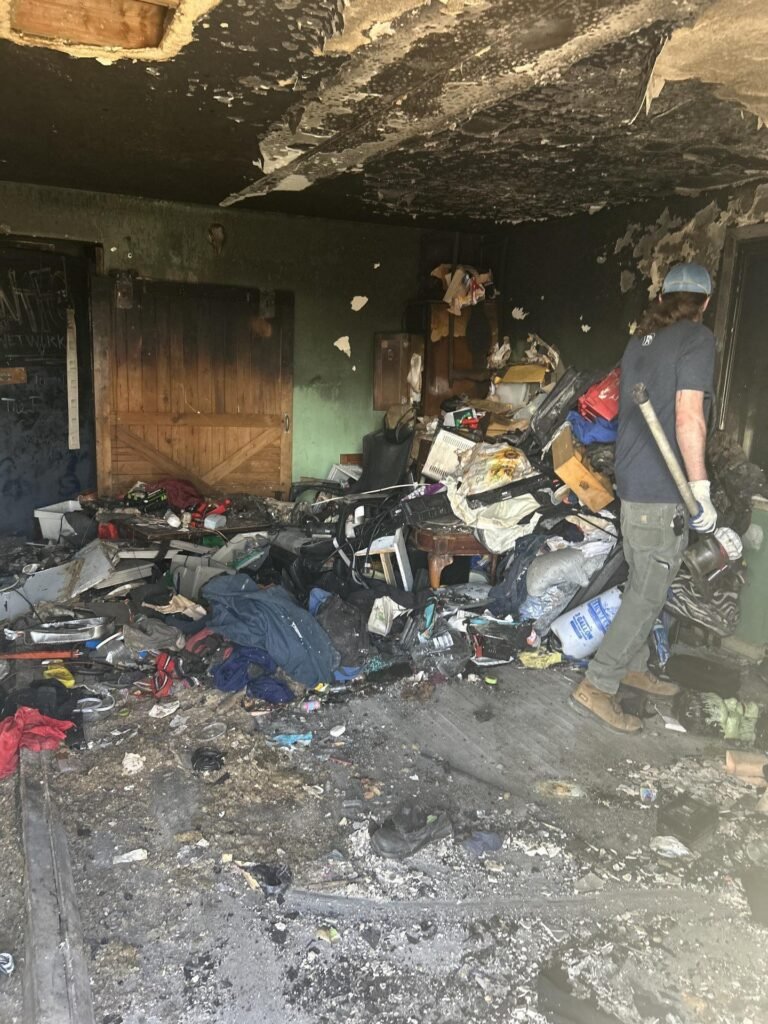
A house fire doesn’t stop causing damage once the flames are out. Smoke, soot, and the water used to extinguish the fire keep affecting furniture, electronics, and fabrics long after the fire trucks leave. Many homeowners assume anything touched by fire is a total loss.
In reality, a structured, professional process exists specifically to recover, clean, and preserve personal belongings after a fire. Understanding how that process works can make an overwhelming situation feel more manageable.
Why Fire Damage Keeps Spreading After the Flames Are Out
Smoke and soot travel far beyond the room where a fire starts. Fine particles settle into fabrics, seep into electronics, and coat surfaces throughout an entire home, even rooms the fire never reached.
According to New York’s Department of Health, smoke from a structure fire contains a complex mix of chemicals, including benzene, aldehydes, and polycyclic aromatic hydrocarbons.
These residues can continue to degrade materials and irritate occupants if they aren’t addressed quickly.
That is why the timeline matters. The longer soot and smoke odor sit on an item, the harder and more expensive it becomes to reverse the damage.
Step 1: Assessment and Documentation
Before anything is touched, a contents restoration team walks the property room by room. Every item gets photographed, logged, and assigned a condition rating before it is moved.
This documentation matters for two reasons. It creates a clear record for your insurance adjuster, and it makes sure nothing gets lost or misplaced during the process that follows.
Step 2: Contents Pack-Out
Once everything is documented, salvageable belongings are carefully removed from the home. This step, often called a pack-out, gets your items away from continued smoke exposure and clears the space so structural repairs can begin. It is the heart of our contents pack-out services.
Fire-related pack-outs follow a slightly different protocol than water losses, since soot residue requires careful handling to avoid smearing it deeper into fabric and upholstery. You can read more about how fire-specific pack-out procedures differ from a standard move.
Step 3: Cleaning and Deodorization
This is where most of the recovery work happens. Technicians use different methods depending on the material: some items need wet cleaning, others need dry sponging, and electronics or documents may need specialized handling entirely.
Reputable providers follow the ANSI/IICRC S700 Standard for Professional Fire and Smoke Damage Restoration. It’s a formal industry standard published by the Institute of Inspection, Cleaning and Restoration Certification.
The standard outlines accepted methods for assessing and cleaning fire and smoke-damaged contents.
Cleaning and restoration also includes deodorization, which is a separate step from surface cleaning. Odor has to be neutralized at the source, not just masked, or it tends to return once items are back in a warm, closed space.
Step 4: Climate-Controlled Storage
While your home is being repaired, restored belongings need somewhere safe to wait. Climate-controlled storage protects items from temperature swings and humidity that could undo the cleaning work or invite new mold growth.
A documented chain of custody during storage means every item can be tracked and accounted for until it’s time to go home.
Step 5: Delivery and Pack-Back
Once the home is ready, restored items are returned and placed back in their original rooms. This final step, known as delivery and pack-back, is what actually turns a repaired house back into a livable home.
What Can Typically Be Saved?
Not every item survives a fire, but more can often be recovered than homeowners expect. Metal items like cookware and tools usually clean up well unless they’ve warped. Glass and hard-surface items often escape serious damage unless directly exposed to high heat.
Hardwood furniture with a finished surface can sometimes be refinished if the wood itself isn’t structurally compromised.
Photographs and important documents can sometimes be recovered using specialized drying and stabilization techniques, though outcomes vary by how badly they were affected.
The real determining factors are the type of material, how close it was to the fire, and how quickly professional cleaning begins.
Electronics are a special case. Even if a device still powers on, soot residue inside the casing can cause corrosion months later. Professional assessment before you plug anything back in can prevent a second wave of damage.
How Long Does the Process Take?
Timelines vary widely depending on the size of the loss. A single-room fire with light smoke damage might take a few weeks from pack-out to pack-back.
A whole-home fire involving extensive structural repair can take several months, since contents restoration usually runs in parallel with the rebuild.
Your restoration provider should be able to give you a rough timeline after the initial assessment, and update it as work progresses.
Getting Through the Process
A house fire is disorienting, and the contents side of recovery is easy to overlook while you’re focused on the structure itself. But a clear, standards-based process exists to walk you through it: assess, pack out, clean, store, and return.
Knowing what to expect at each stage can make the months ahead feel a little less uncertain, and can help you ask better questions of whichever restoration company you choose to work with.
If you’re facing fire damage in the Denver area, ContentsPros handles the entire contents restoration process from pack-out through pack-back, and works directly with insurance adjusters to document everything along the way.
Call (303) 335-0125 or visit the contact page for a free estimate.